
Exploring Eco-Friendly Hat Manufacturing: A Sustainable Approach


The Rise of Eco-Friendly Hat Manufacturing
In recent years, the fashion industry has experienced a significant shift towards sustainability. This transformation is particularly evident in the world of hat manufacturing, where eco-friendly practices are becoming the norm rather than the exception. By focusing on sustainable materials, ethical production methods, and reduced waste, manufacturers are crafting stylish headwear that aligns with environmental values.
Sustainable Materials: A Foundation for Eco-Friendly Hats
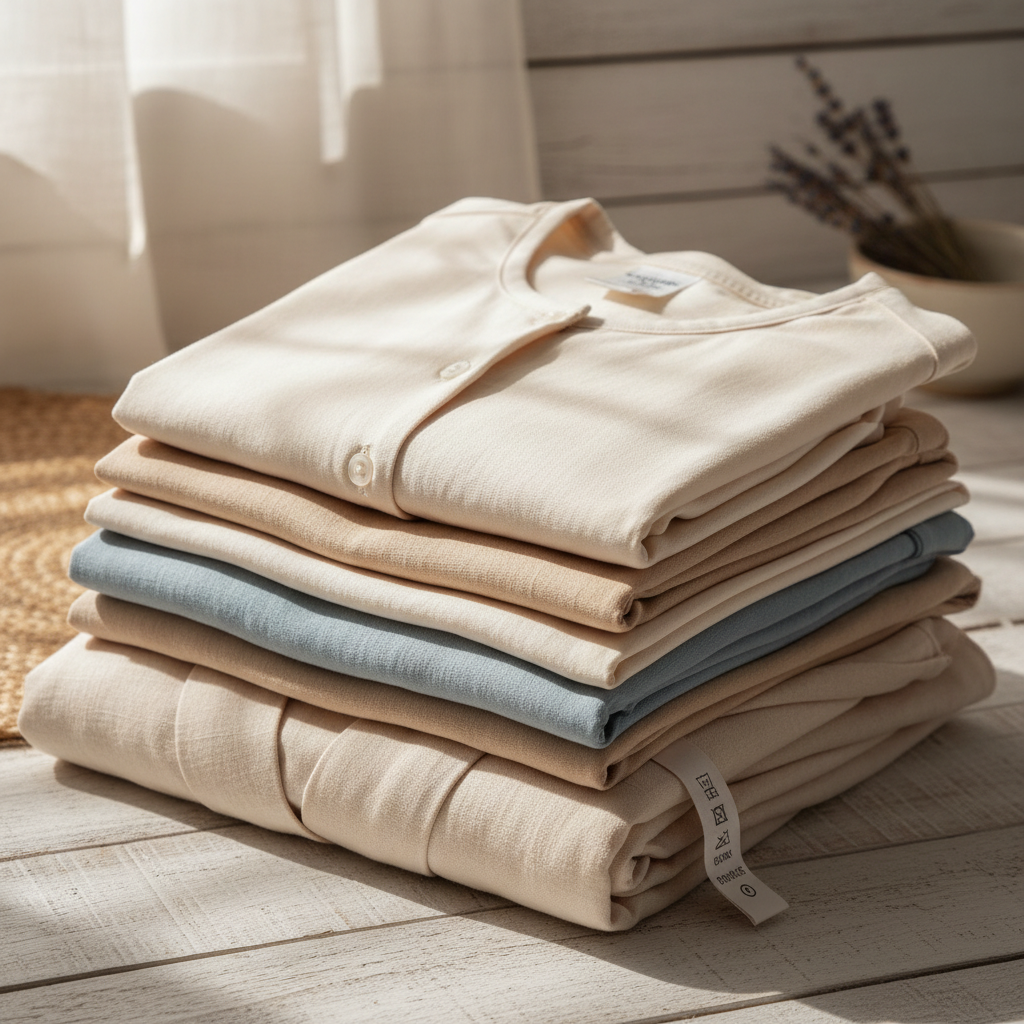
One of the primary ways hat manufacturers are embracing sustainability is through the use of eco-friendly materials. These include organic cotton, hemp, and recycled polyester. Organic cotton is grown without harmful pesticides, making it a healthier choice for the environment and the farmers who cultivate it. Hemp, a rapidly renewable resource, requires minimal water and no chemical fertilizers, making it a sustainable alternative to traditional fibers.
Recycled polyester, often made from post-consumer plastic bottles, provides a second life for materials that would otherwise end up in landfills. By incorporating these sustainable materials, manufacturers are reducing the environmental impact of their products while still delivering high-quality hats.

Ethical Production Practices: Beyond Materials
Eco-friendly hat manufacturing goes beyond just materials. Ethical production practices play a crucial role in ensuring that the manufacturing process is as sustainable as the materials themselves. This includes fair labor practices, safe working conditions, and transparent supply chains. Many companies are now working closely with factories to ensure that workers are treated fairly and that their rights are protected.
Moreover, these manufacturers are investing in local communities, providing jobs, and supporting social initiatives. By doing so, they are contributing not only to environmental sustainability but also to social equity.

Minimizing Waste: A Key Component of Sustainability
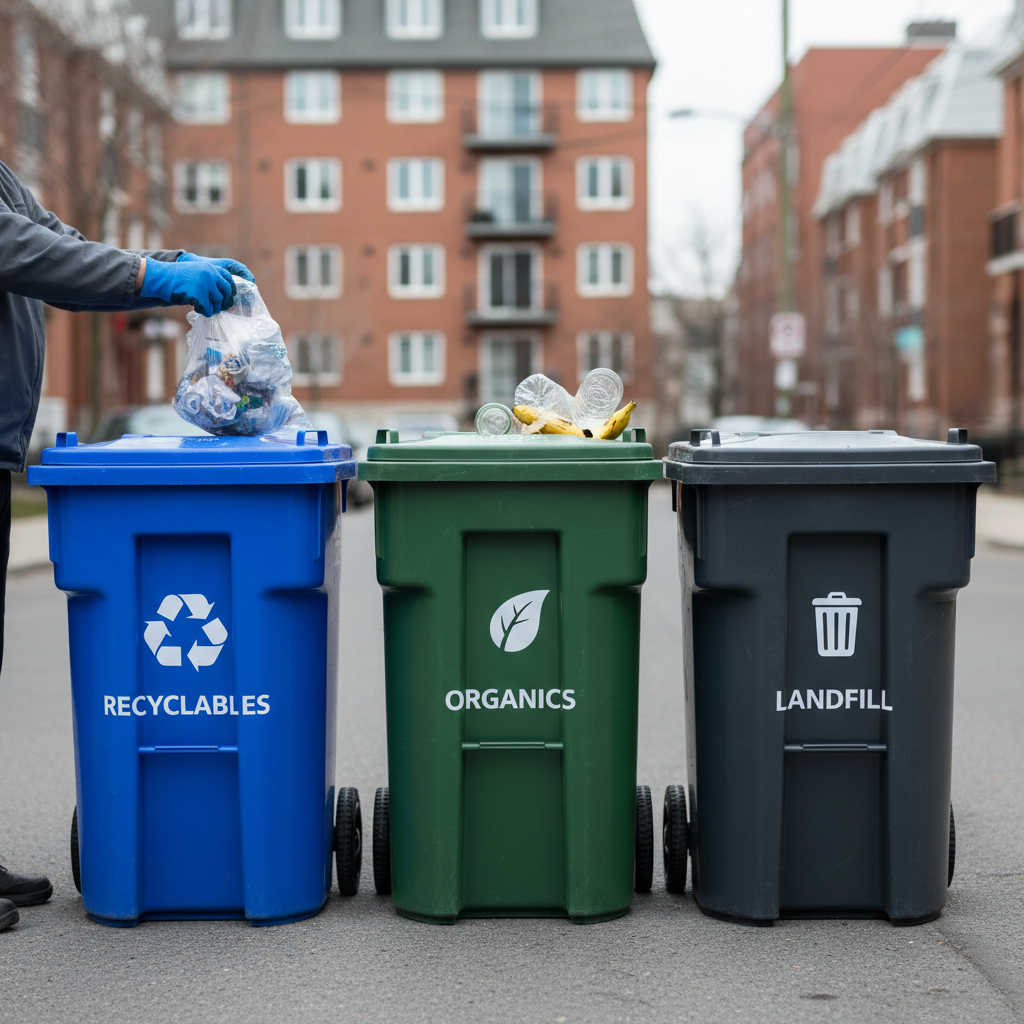
Waste reduction is a critical component of eco-friendly hat manufacturing. Many companies are implementing zero-waste policies, where every scrap of material is reused or recycled. This approach not only conserves resources but also reduces the amount of waste that ends up in landfills.
In addition, some manufacturers are embracing innovative techniques such as 3D knitting, which minimizes waste by producing hats with precision and efficiency. These methods ensure that materials are utilized to their fullest potential, aligning with the broader goals of sustainability.
The Consumer's Role in Supporting Sustainable Practices
Consumers play a vital role in the shift towards eco-friendly hat manufacturing. By choosing to support brands that prioritize sustainability, they are driving demand for environmentally responsible products. This not only encourages more manufacturers to adopt eco-friendly practices but also raises awareness about the importance of sustainability in the fashion industry.
Consumers can also look for certifications like Fair Trade or Global Organic Textile Standard (GOTS) to ensure that their purchases align with their values. By making informed choices, they contribute to a more sustainable future.
The Future of Eco-Friendly Hat Manufacturing
The future of hat manufacturing looks promising as more companies commit to sustainable practices. Innovations in materials, technology, and production methods are continually evolving, paving the way for even more eco-friendly options. As awareness grows, it's likely that sustainable practices will become the standard rather than the exception in the industry.
By embracing eco-friendly hat manufacturing, both producers and consumers are contributing to a healthier planet. This movement not only reflects a growing environmental consciousness but also a commitment to ethical practices and social responsibility. As we continue to explore and innovate, the possibilities for sustainable fashion are limitless.