
From Classic to Contemporary: A Comparison of Hat Styles


Introduction to Hat Styles
The world of fashion is vast, and hats have always held a special place within it. From the sophisticated elegance of classic hats to the bold statements of contemporary designs, hats have evolved significantly over the years. This journey from classic to contemporary is not just about style but also about cultural shifts and personal expression.
In this article, we'll explore the fascinating evolution of hat styles, highlighting key differences and the cultural contexts that have shaped them. Whether you're a fashion enthusiast or simply curious about the history of hats, you'll find something intriguing here.
Classic Hat Styles
The Timeless Appeal of Fedoras
The fedora is perhaps one of the most recognizable classic hat styles. Originating in the late 19th century, this hat became popular among both men and women. Known for its pinched crown and wide brim, the fedora exudes sophistication and class. It was a staple in the wardrobes of Hollywood stars and continues to be a symbol of elegance.
The Elegance of the Cloche
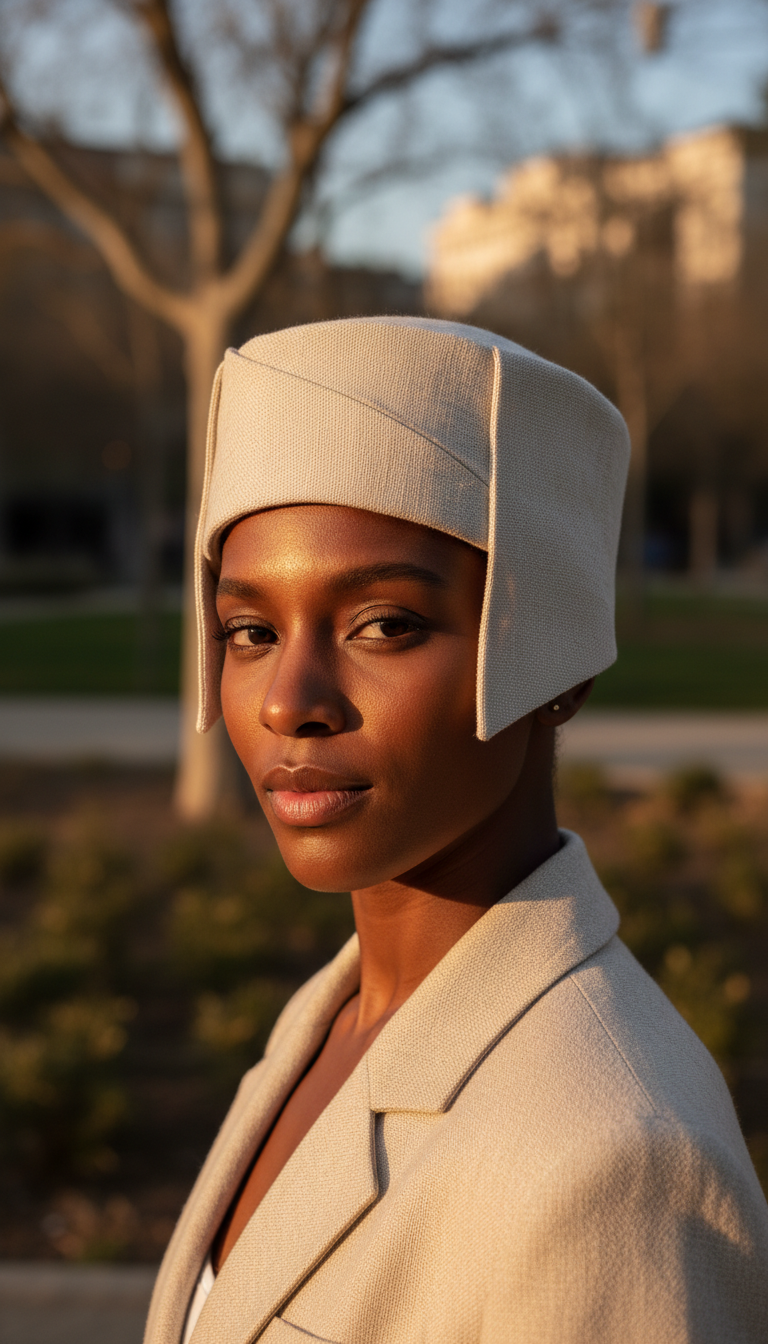
The cloche hat, with its bell-shaped design, gained popularity in the 1920s. Often made from felt, this snug-fitting hat was a favorite among the flapper generation. Its simplicity and elegance make it a timeless piece, reflecting the fashion sensibilities of the early 20th century.
Contemporary Hat Styles
The Boldness of Bucket Hats
Fast forward to today, and the bucket hat has taken the fashion world by storm. Originally used as a practical accessory for fishermen, it has been reimagined into a trendy fashion statement. With its wide, downward-sloping brim, the bucket hat offers both style and functionality, making it a must-have for modern fashionistas.
The Versatility of Beanies
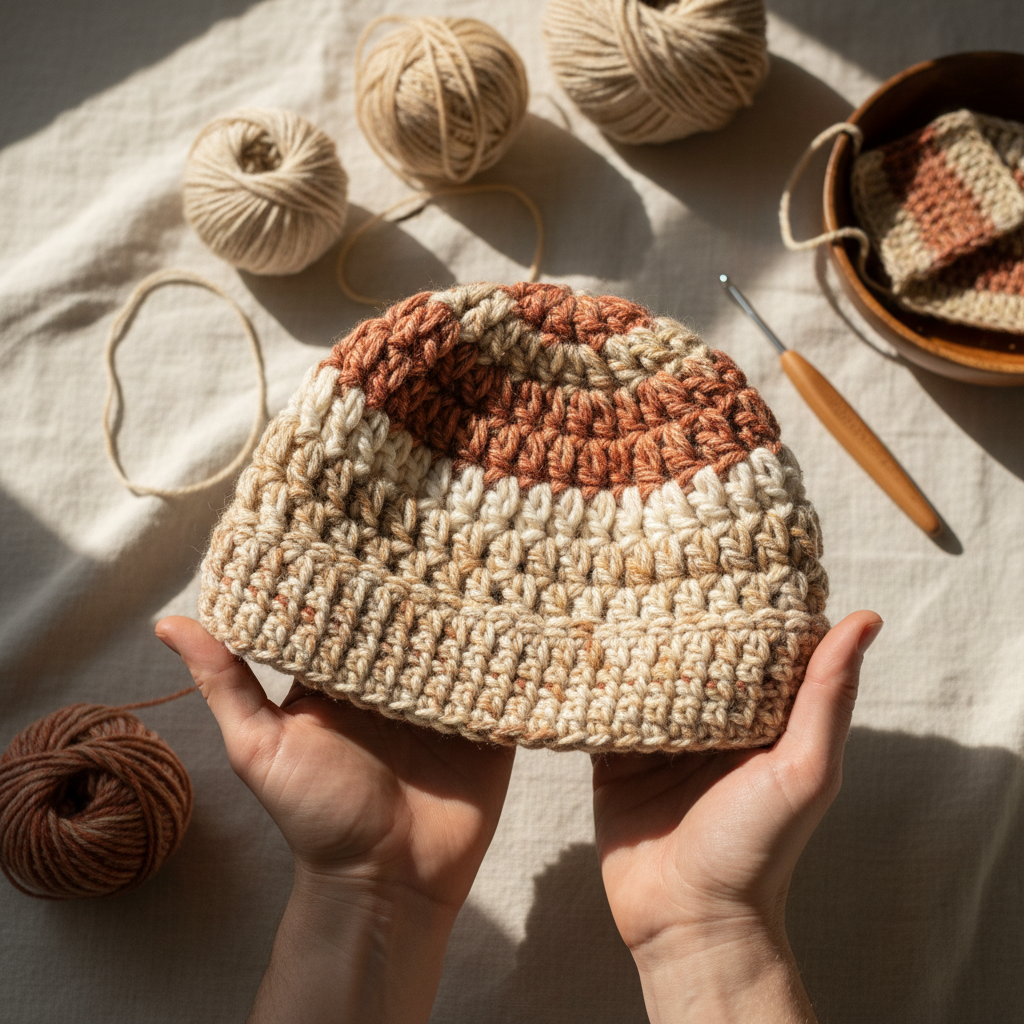
Beanies have become a staple in contemporary fashion, cherished for their versatility and comfort. Whether sporting a casual streetwear look or a cozy winter outfit, beanies add a touch of modern flair. Their simple design allows for endless customization, making them a favorite among the younger generation.

Comparing Classic and Contemporary Styles
While classic hats often emphasize elegance and formality, contemporary styles are more about self-expression and versatility. Here's a quick comparison:
- Material: Classic hats often use materials like felt and wool, while contemporary hats experiment with various fabrics, including cotton and synthetic blends.
- Design: Classic designs focus on sophisticated lines, whereas contemporary styles embrace bold patterns and colors.
- Functionality: Modern hats often prioritize comfort and practicality, catering to diverse lifestyles.
The Cultural Impact of Hat Styles
Hats are more than just fashion accessories; they are cultural symbols. Classic hats often reflect the social norms and elegance of their time, while contemporary styles break boundaries and encourage individuality. As society evolves, so too does the way we express ourselves through fashion.
Understanding the journey from classic to contemporary hat styles provides insight into broader cultural trends. It's a testament to how fashion adapts to changing times while honoring its roots.
Conclusion
From the timeless elegance of the fedora and cloche to the modern appeal of bucket hats and beanies, hat styles have undergone a remarkable evolution. Each style tells a unique story, capturing the essence of its era. As we continue to redefine fashion, hats will undoubtedly remain a vital part of our sartorial landscape.