
The Environmental Impact of Hat Production and How LeeFar is Innovating


The fashion industry is often scrutinized for its environmental impact, and hat production is no exception. From the sourcing of raw materials to the manufacturing processes, each stage contributes to the industry's carbon footprint. Understanding these impacts is crucial for fostering more sustainable practices.
Raw Material Sourcing
The journey of a hat begins with raw materials like cotton, wool, or synthetic fibers. The cultivation of cotton, for instance, involves significant water usage and pesticide application, which can harm ecosystems. Wool production, while biodegradable, can lead to overgrazing and soil degradation if not managed responsibly.
On the other hand, synthetic fibers, often derived from petroleum, contribute to pollution and are not biodegradable, posing long-term environmental challenges. The choice of materials plays a critical role in the overall sustainability of hat production.

Manufacturing Processes
The manufacturing stage involves energy consumption and often relies on chemical treatments to dye and finish fabrics. These processes can release harmful emissions into the air and waterways, impacting local communities and wildlife.
In addition, many factories still depend on non-renewable energy sources, which contribute to greenhouse gas emissions. The shift towards more eco-friendly production methods is necessary to reduce these impacts.
Waste and Recycling
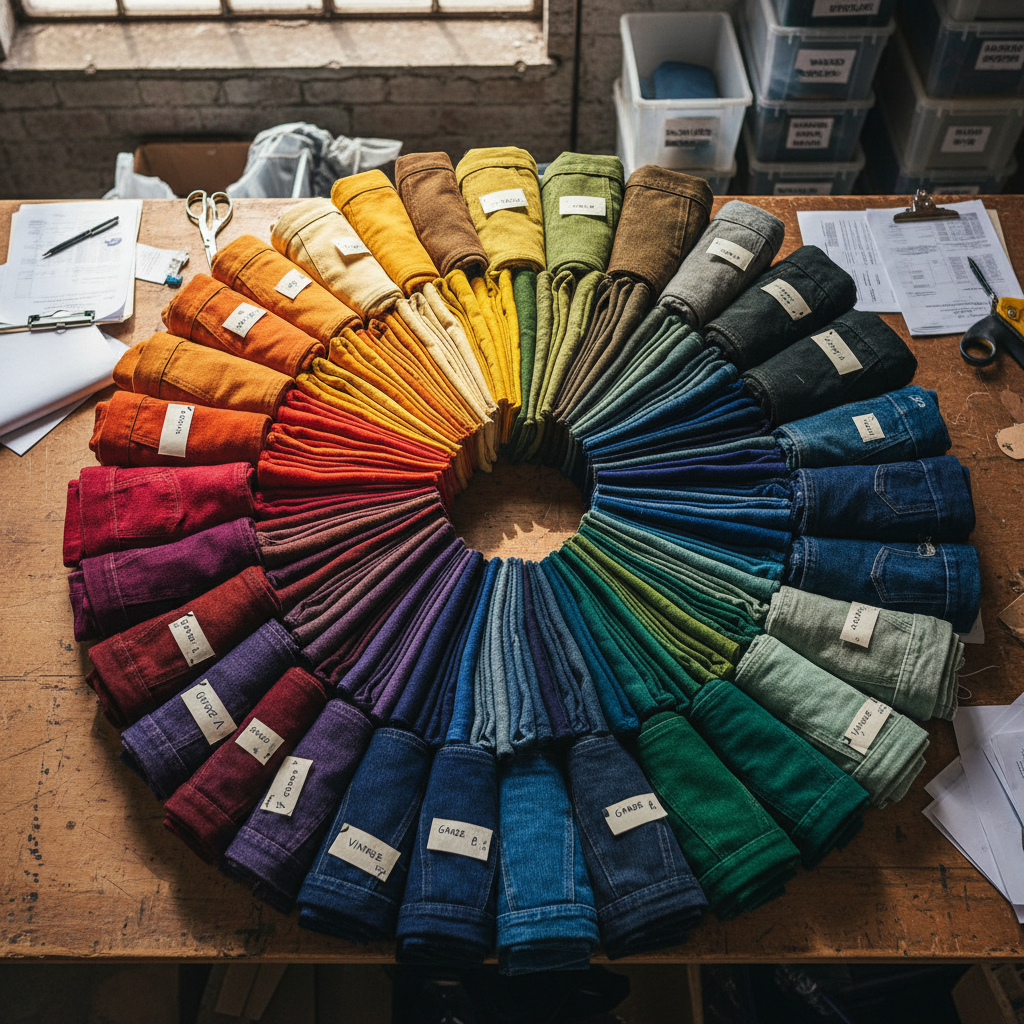
Waste is another significant issue in hat production. Offcuts and defective items often end up in landfills, contributing to the growing problem of textile waste. Recycling and upcycling initiatives are essential to mitigate this impact, yet are not widely adopted across the industry.
LeeFar's Innovative Approach
LeeFar, a leader in sustainable fashion, is making significant strides in addressing these environmental challenges. By prioritizing eco-friendly materials and sustainable manufacturing processes, they are setting a new standard in the hat industry.
One of their key innovations is the use of organic cotton and recycled fibers, which significantly reduces water usage and pesticide reliance. Additionally, LeeFar employs solar-powered factories to minimize their carbon footprint during production.
Commitment to Circular Fashion
LeeFar is also pioneering efforts in circular fashion by implementing comprehensive recycling programs. They encourage customers to return old hats, which are then reprocessed into new products, thus closing the loop and reducing waste.

Impact on the Fashion Industry
By integrating sustainable practices, LeeFar is not only reducing its environmental impact but also inspiring other brands to follow suit. Their approach demonstrates that fashion can be both stylish and eco-conscious, leading the way towards a more sustainable future.
Consumers are increasingly demanding transparency and sustainability, and companies like LeeFar are meeting these expectations. Their efforts highlight the potential for innovation to drive significant environmental benefits.