
Understanding the Hat Manufacturing Process: Behind the Scenes


The Art of Hat Manufacturing
Hats have been a staple in fashion for centuries, serving both functional and aesthetic purposes. The journey of a hat from concept to finished product is a fascinating process that combines artistry, craftsmanship, and technology. Understanding the hat manufacturing process offers insight into the attention to detail and the expertise required to create these stylish accessories.
Design and Conceptualization
The journey begins with design and conceptualization. Designers sketch ideas, considering trends, materials, and the intended audience. This stage involves a lot of creativity and innovation, as designers strive to balance functionality with style. Mood boards and prototypes are often used to refine the vision.
Once a design is finalized, it moves to the pattern-making stage. Patterns are crafted based on the design specifications, serving as the blueprint for cutting the fabric. Precision and accuracy are crucial here, as the pattern dictates the hat's shape and fit.
Material Selection
Choosing the right materials is vital in hat manufacturing. Whether it's felt, straw, or fabric, the material impacts the hat's look, feel, and durability. Manufacturers source high-quality materials that align with the design's requirements and the brand's standards.
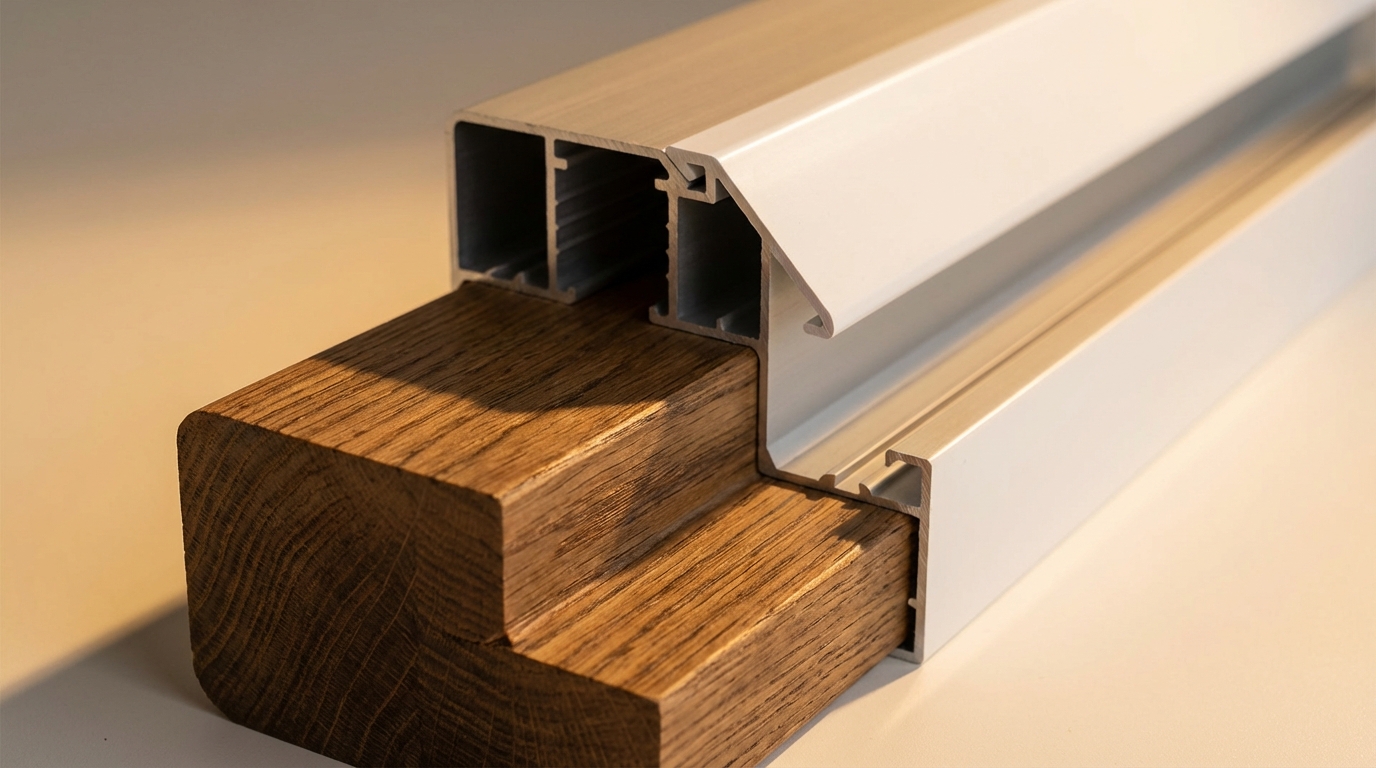
Each material has its own set of characteristics. For instance, wool felt is known for its warmth and moldability, making it ideal for winter hats, while straw is lightweight and breathable, perfect for summer styles. The selection process is meticulous, ensuring the final product meets customer expectations.
Cutting and Sewing
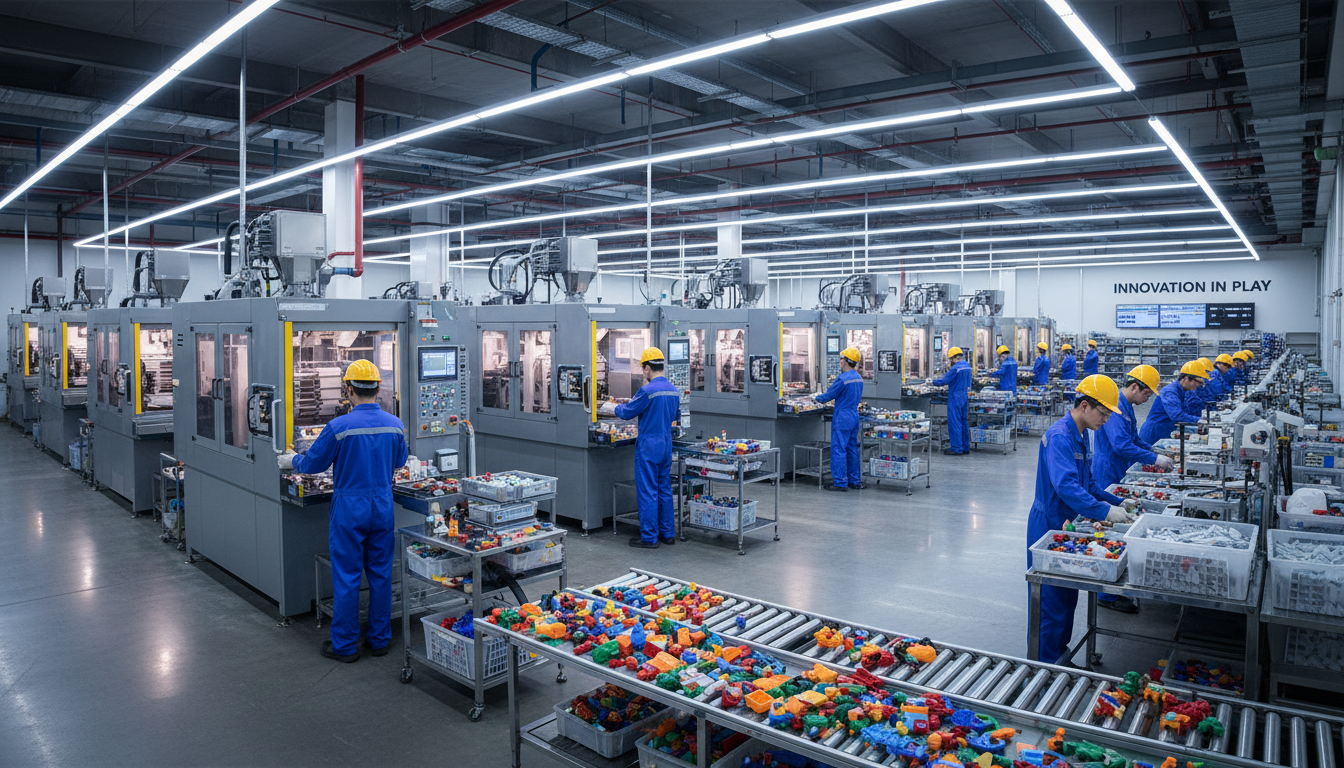
Once materials are selected, they are cut according to the patterns. This stage requires precision to ensure all pieces fit together seamlessly. Skilled artisans or advanced machinery handle the cutting process, depending on the production scale.
Sewing brings the pieces together, forming the basic structure of the hat. This step requires a keen eye for detail and expertise in handling different materials. The seams must be strong and neat, contributing to both the durability and aesthetics of the hat.
Shaping and Blocking
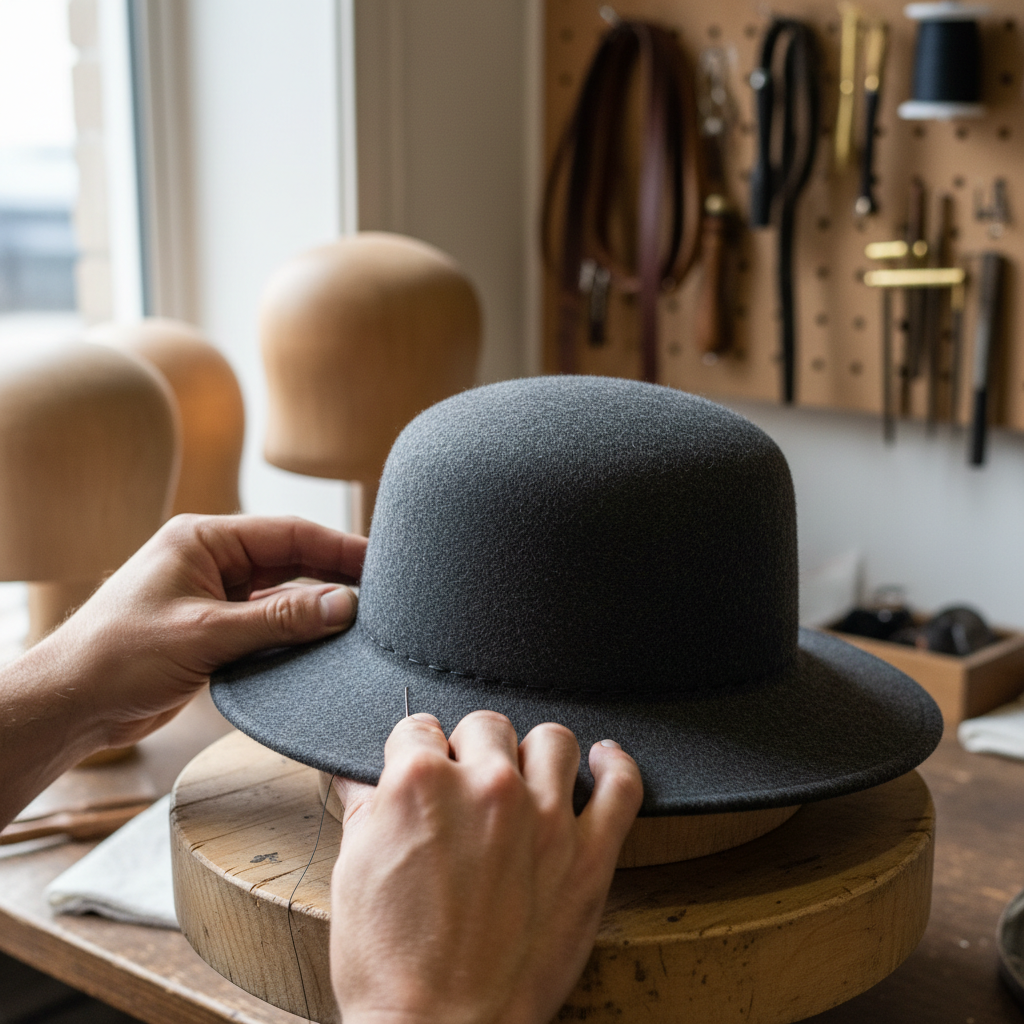
Shaping, or blocking, is where the hat begins to take its final form. The hat is steamed and molded over a hat block—a wooden or metal form—shaping it into the desired style. This process might need to be repeated several times to achieve the perfect shape.
Blocking is often considered an art form, as it requires skill to manipulate the material without damaging it. Experienced craftsmen are essential at this stage to ensure the hat's shape is consistent with the design vision.
Finishing Touches
The final stage involves adding finishing touches such as trims, bands, or decorative elements. These details personalize the hat, adding character and style. Whether it's a ribbon, feather, or stitching, these elements are carefully applied to enhance the overall design.
Quality control is crucial before the hats are packaged and shipped. Each hat is inspected for flaws or imperfections, ensuring that only the highest quality products reach the market.
The hat manufacturing process is a blend of tradition and innovation, reflecting the dedication and skill of those involved. From initial design to the final product, every step is crucial in crafting hats that are not only fashionable but also timeless.